

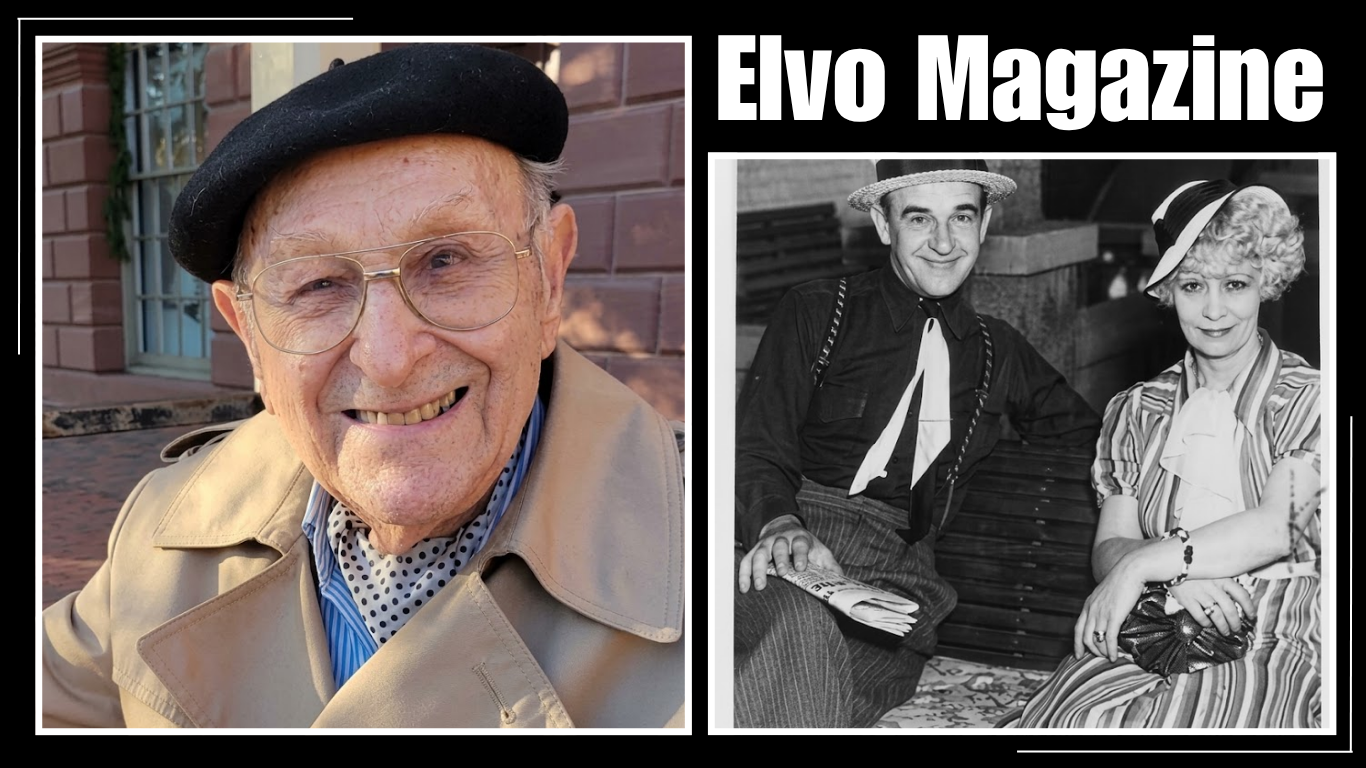
Frank Szatkus remains a fascinating figure in classic Hollywood history. He was the secret first and only husband of legendary screen icon Mae West. For decades, the public knew virtually nothing about the quiet vaudeville performer. Yet he held a legally binding marriage claim over cinema’s greatest sex symbol. Mae West captivated global audiences with her quick wit and glamorous persona. Meanwhile, the man behind her real-life romance quietly navigated the entertainment world. His story offers a rare glimpse into early stage history and celebrity scandals.
The enduring mystery surrounding Frank Szatkus centers on a long-kept secret. Two young stage performers managed to hide an official marriage for twenty-five years. During her peak fame, West maintained a fiercely independent image. She projected the idea that she belonged to no single man. Thus, the eventual exposure of her legal spouse caused an explosive public sensation. Behind the headlines lies the genuine story of an ambitious vaudevillian. His life was completely upended by a youthful decision made on the road. Examining his background helps uncover a narrative that goes beyond simple tabloid gossip.
Introduction to Frank Szatkus and His Secret Legacy
Who Was Frank Szatkus?
Frank Szatkus was a dedicated song-and-dance performer on the vaudeville circuit. He worked under the professional stage name Frank Wallace. Born in New York to a Lithuanian immigrant family, he loved live entertainment. He mastered acrobatic dance routines and vocal performances for working-class theatergoers. Though he never achieved colossal solo stardom, peers respected his versatile talent. His life was defined by endless travel schedules and regional tours. He hustled continuously to stay employed during the golden era of live theater.
To understand Frank Szatkus, one must look past his later tabloid reputation. Long before his name hit national newspapers, he was a steady artist. His journey reflected the typical path of a dedicated vaudevillian. He faced endless rehearsals, shared dressing rooms, and constant city-to-city travel. However, his brief dynamic partnership with a teenage Mae West changed everything. Their legal bond eventually eclipsed all of his professional stage achievements. It permanently altered his legacy in American pop culture.
The Enduring Mystery of Mae West’s Secret Husband
The mystery of Frank Szatkus endures because it challenges Mae West’s public image. West cultivated a persona of absolute self-reliance throughout her career. She portrayed women who controlled their own destinies without a husband. The revelation that she had quietly signed a marriage certificate stunned fans. For many years, film scholars treated the union as a minor anomaly. Yet its legal repercussions rippled across several decades of entertainment history.
Why did Frank Szatkus keep quiet for so long? Historians still debate whether the silence was due to mutual convenience or genuine affection. Perhaps they simply grew apart as their paths diverged in show business. Regardless of the motivation, the sheer duration of the secret added deep intrigue. Today, the mystery continues to fascinate classic film enthusiasts worldwide. It highlights the dramatic tension between crafted celebrity images and hidden personal truths.
Early Life and the Vaudeville Era
The Early Years of Frank Szatkus
Frank Szatkus was born in Brooklyn, New York, around 1890. He grew up in a hard-working Lithuanian immigrant household. Young Szatkus was drawn to local music halls and neighborhood theater productions. His urban upbringing exposed him to diverse musical traditions and dance styles. Recognizing his natural physical agility, he began training rigorously for the stage. He dedicated his early years to mastering comedic timing and vocal control.
During his teenage years, Frank Szatkus refined his talent in local youth revues. Brooklyn provided an ideal training ground for ambitious young performers. He adapted quickly and adopted the stage name Frank Wallace. This name better fit the expectations of theatrical booking agents at the time. This crucial transformation helped him transition from an obscure local youth to a touring artist. It set the foundation for his entry into national vaudeville circuits.
Rising Through the Ranks of Vaudeville and Burlesque
By the late 1900s, Frank Szatkus was actively touring regional theater circuits. He steadily gained recognition as a skilled song-and-dance man. The vaudeville environment demanded exceptional stamina from every performer. Artists often performed multiple high-energy shows per day in different cities. Szatkus excelled in energetic dance routines and comedy sketches. His willingness to travel allowed him to build a vast professional network. This network eventually brought him into contact with a young Mae West.
Working in burlesque gave Frank Szatkus a firsthand look at changing audience tastes. Burlesque during this era focused on sharp comedy, dance, and broad satire. It served as a vital launchpad for many future entertainment legends. As Szatkus perfected his act, he developed a refined stage presence. His style appealed to diverse audiences from the Midwest to the East Coast. During one demanding regional tour, his path crossed with his future bride.
The Secret Marriage of Frank Szatkus and Mae West
How Frank Szatkus Met a Young Mae West
Frank Szatkus met Mae West around 1910 on the regional theater circuit. West was an ambitious seventeen-year-old singer eager to headline big shows. Szatkus was slightly older and more experienced on the road. He quickly struck up a close working relationship with the talented artist. Their shared passion for performance created a strong personal bond. This professional friendship rapidly evolved into a swift romantic relationship.
They spent long hours rehearsing together and traveling between performance venues. Frank Szatkus and Mae West formed a popular duo on stage. Their combined energy resonated with audiences and elevated their booking status. For West, Szatkus was a supportive colleague who understood the industry’s pressures. This close alignment, combined with youthful passion, led to a sudden decision. They decided to bind their lives together in secret.
The Hidden 1911 Milwaukee Elopement
On April 11, 1911, Frank Szatkus and Mae West secretly married in Milwaukee, Wisconsin. They feared their parents and theatrical managers would object to the union. Therefore, the young couple slipped away to obtain an official marriage license. They exchanged vows in a brief, quiet civil ceremony. They listed their real names but kept the event hidden from colleagues. To the outside world, they were simply co-stars sharing a stage.
The decision to elope was driven by impulsive youthful romance. Frank Szatkus believed the marriage would begin a lifelong artistic partnership. However, the young couple soon realized the practical difficulties of marriage on the road. Chasing individual stardom made living together nearly impossible. The legal certificate was tucked away, beginning a quarter-century of complete secrecy.
Decades of Concealment
Why Frank Szatkus and Mae West Kept Their Marriage Secret
The main reason for keeping the union concealed was industry expectations. Female starlets were heavily marketed as single and romantically available. West’s mother believed a public marriage would destroy Mae’s emerging allure. She felt it would severely limit her daughter’s theatrical booking opportunities. Consequently, West insisted that the marriage remain an absolute secret. She demanded that Szatkus never mention their legal union to agents.
Frank Szatkus initially complied to respect West’s career ambitions. As months passed, maintaining a domestic life proved far too difficult. They pursued separate performance contracts in different parts of the country. The decision to appear single transformed from a temporary strategy into a lifestyle. Over time, their romantic connection faded entirely. The secret marriage became a forgotten relic of their youth.
Living Separate Lives in the Spotlight
Within a few years, Frank Szatkus and Mae West drifted apart completely. West rose through Broadway before transitioning into a major Hollywood star. Meanwhile, Szatkus continued working the traditional vaudeville circuit. They ceased living together almost immediately after their wedding ceremony. They rarely communicated as their lives moved in radically different directions. West became an icon of independence, while Szatkus maintained a modest career.
Neither party took immediate legal action to dissolve the marriage certificate. Frank Szatkus lived his life without broadcasting his marital status. West operated as though she had never been married at all. Their absolute silence kept the secret undetected for nearly twenty-five years. This prolonged separation established an unusual dynamic. It eventually caused immense media chaos when the truth finally surfaced.
The Shocking 1935 Public Discovery
How a WPA Clerk Uncovered the Frank Szatkus Marriage Certificate
The secret surrounding Frank Szatkus unravelled in 1935 through a routine process. Works Progress Administration (WPA) workers were assigned to index municipal records. They systematically cataloged historical filing documents in Milwaukee, Wisconsin. A clerk stumbled across an official 1911 marriage license. It bore the names of Frank Szatkus and Mary Eleanor West. Recognizing the bride’s real name, the alert worker notified superiors immediately.
News of the discovery broke, and journalists scrambled to confirm the story. They wanted to know if Mae West was truly legally married. Moviegoers were stunned by the unexpected revelation. It directly contradicted West’s carefully built public identity. Initially, West vehemently denied the reports as a total hoax. However, reporters located Szatkus, who confirmed the marriage was authentic.
Hollywood’s Reaction to the Frank Szatkus Scandal
The revelation sent shockwaves through Paramount Pictures and studio hierarchy. West was one of the highest-paid movie stars in the world. Studio executives feared the scandal could damage her box-office appeal. Columnists analyzed every detail of the 1911 elopement. They questioned how a star could conceal a spouse for decades. The story dominated headlines, creating a massive public relations challenge.
Frank Szatkus was abruptly thrust into an intense level of global fame. Reporters swarmed his residence to hear his personal perspective. They wanted details about his youthful romance with the screen icon. Public fascination transformed Szatkus overnight into a household name. This sudden shift in attention set the stage for major legal battles.
Legal Battles, Bigamy, and Final Divorce
Frank Szatkus Claims His Spot as “Mr. Mae West”
Capitalizing on the publicity, Frank Szatkus re-entered the public eye. He booked nightclub engagements under the moniker “Mr. Mae West”. Audiences flocked to see the secret husband of the famous star. Szatkus shared anecdotes about his early vaudeville days on stage. He used the notoriety to revive his entertainment career. However, trading on West’s name deeply angered the famous actress.
In the late 1930s, Frank Szatkus filed formal legal proceedings against West. He sought financial support based on their valid 1911 marriage. He argued that he was entitled to financial assistance from her fortune. West fought back aggressively with a formidable team of defense lawyers. She was determined to protect her hard-earned assets. The resulting legal battle dragged on for years in open court.
The Bigamy Revelation and the 1943 Divorce Settlement
During the lawsuit, West’s legal team uncovered a crucial piece of evidence. Investigators discovered that Szatkus had married another woman in 1916. He had done so without obtaining a legal divorce from West first. This revelation meant that Szatkus had technically committed bigamy. The discovery severely damaged his legal standing and credibility in court. Szatkus was forced to abandon his demands for substantial alimony.
In 1942, Mae West finally admitted under oath that she married Szatkus. With all facts exposed, the court dissolved the marriage on July 21, 1943. The final divorce decree provided Szatkus with a minimal financial settlement. This officially severed all legal ties between the former vaudeville partners. The dramatic conclusion ended one of Hollywood’s strangest romantic sagas.
The Final Chapters and Legacy of Frank Szatkus
Following the 1943 divorce, Frank Szatkus retreated from the public spotlight. He left behind the world of Hollywood lawsuits and media interviews. He spent his remaining years living quietly in New York. Friends remembered him as a proud, soft-spoken former vaudevillian. He passed away in 1966 at the age of seventy-six. He left behind a unique legacy in American pop culture.
Today, the story of Frank Szatkus serves as a compelling history lesson. His life reminds us of the working performers who built vaudeville. History primarily remembers him as the secret husband who surprised Hollywood. Yet his full story reflects the complex realities faced by touring artists. The saga of Szatkus and West remains a classic Hollywood chapter.
FAQs
Did Frank Szatkus ever live with Mae West as husband and wife?
No, Frank Szatkus and Mae West never established a traditional home together. Almost immediately after their secret 1911 elopement, they returned to separate tours. They effectively separated within weeks of the ceremony. They lived entirely independent lives for the remainder of their adult years.
How was the marriage of Frank Szatkus discovered after twenty-four years?
The marriage was uncovered by accident in 1935 by a WPA clerk. The clerk was indexing old civil marriage registries in Milwaukee, Wisconsin. The worker noticed the 1911 filing under Frank Szatkus and Mary Eleanor West. News quickly triggered a national media frenzy once reporters confirmed her identity.
Did Frank Szatkus receive money from Mae West in their divorce?
Frank Szatkus initially sued for substantial alimony from West’s movie fortune. However, his claims failed when evidence revealed he had committed bigamy in 1916. When the marriage was dissolved in July 1943, Szatkus received only a small settlement.
