

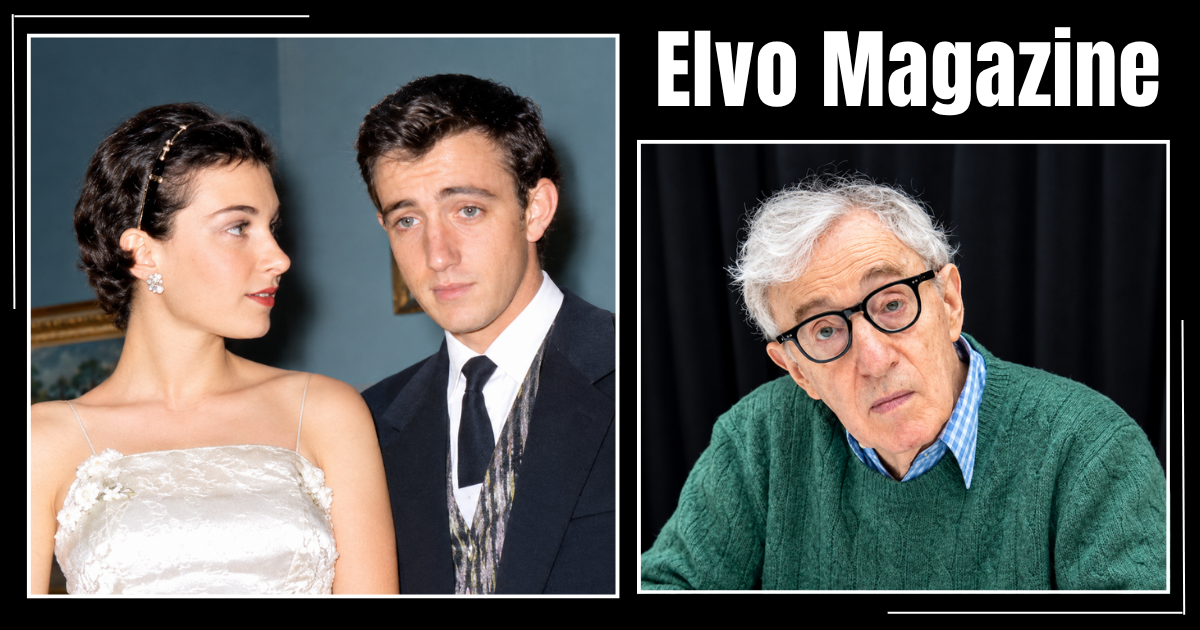
Harlene Rosen entered the public spotlight in the mid-1950s as a teenager. She married an aspiring Brooklyn comedy writer named Woody Allen. Long before his global fame, she was a bright New York student. Pop culture often treats her as a simple footnote in comedy history. However, her real story carries much more nuance, courage, and dignity. She was not just a passing character in a celebrity trajectory. Instead, she was a determined woman who defined her own identity.
For decades, public interest tied her name to early stand-up comedy routines. Her ex-husband frequently joked about their youthful marriage on stage. Eventually, those jokes began crossing into personal humiliation on national television networks. In response, she took a courageous legal stand to defend her name. Her legal resistance altered how broadcast networks address private relationships. She showed incredible strength during an era when women rarely sued networks. Today, modern audiences are rediscovering her biography with fresh appreciation. People now look past comedic caricatures to see the real woman. She chose academic rigor, personal quiet, and lasting self-respect.
This article explores the complete journey of Harlene Rosen. We examine her Brooklyn upbringing, early marriage, and brave legal battle. Furthermore, we look at her post-divorce academic life and philosophy degree. Finally, we highlight her surprising reconciliation statement shared decades later. Her story demonstrates the power of living an authentic life on your own terms.
Early Life and Brooklyn Roots
Born around 1940, Harlene Rosen grew up in Flatbush, Brooklyn. She was raised in a tight-knit Jewish community during the post-war decade. This neighborhood placed immense value on education, family, and solidarity. Young Harlene demonstrated an early intellectual curiosity that stood out. Friends remembered her as a sharp and contemplative young student. She favored quiet study and deep conversations over short-lived trends. Flatbush provided a vibrant backdrop of bustling avenues, delis, and gatherings. Local teenagers regularly debated art, literature, and politics in neighborhood clubs.
Her academic drive led her to enroll at Hunter College in New York. Hunter College was renowned for its high academic standards and public access. She developed a deep passion for philosophy during her undergraduate studies. Reading classical texts gave her a grounded, logical mindset. Many young women of her era faced pressure to pursue traditional domestic paths. In contrast, she prioritized her higher education and personal development. She was determined to cultivate her mind regardless of social expectations.
Mid-1950s Brooklyn featured a rich network of youth social clubs. These community groups offered spaces for intellectual discourse and creative expression. Within these local groups, her path crossed with Allan Stewart Konigsberg. Allan would later adopt the well-known stage name Woody Allen. Their early interactions blended youthful romance with the lively energy of Brooklyn.
The Teenage Romance and Marriage to Woody Allen
A Young Romance: How Harlene Rosen Met Woody Allen
The initial meeting between Harlene Rosen and Allan Konigsberg occurred in 1955. She was a 15-year-old student focused on her schoolwork. He was a 19-year-old writer eager to break into television comedy. Despite their youth, the two bonded quickly over shared humor and culture. Friends noticed their strong affection and creative connection right away.
Their romance grew rapidly throughout the late months of 1955. The young couple spent weekends exploring New York and discussing creative projects. She encouraged his writing, while his wit brought fun to her life. Soon, the teenage couple made a firm commitment to get married. Their families initially held reservations about their extremely young ages. Eventually, the couple’s persistence convinced their parents to give their blessing.
Marriage at 16: Life in Late-1950s New York
On March 15, 1956, 16-year-old Harlene Rosen officially married 20-year-old Woody Allen. The wedding was attended by supportive family members and close friends. Married life brought immediate financial and personal challenges for the young couple. Allan worked hard to secure comedy writing gigs for television hosts. The newlyweds relocated briefly to Los Angeles before returning to Manhattan. Managing household finances created continuous pressure for two young adults.
Despite domestic pressures, Harlene Rosen remained focused on her studies at Hunter College. Balancing university classes and home responsibilities required extraordinary discipline. Meanwhile, her husband spent long hours writing and networking in show business. Her academic focus on philosophy contrasted sharply with his fast-paced entertainment career. These differing daily schedules gradually created emotional distance within their apartment.
Strains on the Marriage and the 1962 Divorce
As the late 1950s progressed, their fundamental differences became harder to ignore. Harlene Rosen preferred a quiet, intellectually grounded life centered on education. In contrast, Allen’s career demanded late-night writing and constant networking. The financial instability of early show business added continuous stress. Their initial romantic optimism eroded under the strain of daily life.
By 1959, after three years of marriage, the young couple separated. The decision was mutual and amicable for both young adults. They realized that their individual future goals were no longer compatible. Following the split, she focused entirely on finishing her university degree. Meanwhile, Allen began performing stand-up comedy in local New York clubs.
Their divorce became official and legally finalized in November 1962. This split ended a six-year chapter that began in Brooklyn. Both individuals moved forward on drastically different life paths. While Allen built a public persona, she chose privacy and personal integrity.
The Defamation Lawsuit: Harlene Rosen vs. NBC and Woody Allen
From Private Life to Stand-Up Punchline
During the early 1960s, Woody Allen’s stand-up career expanded rapidly. His comedy relied heavily on jokes about his failed first marriage. In these stage routines, Harlene Rosen was depicted as cold and unloving. These exaggerated routines generated big laughs from nightclub audiences. Soon, these personal jokes were broadcast nationwide on programs like The Tonight Show.
For Harlene Rosen, watching her reputation mocked on television was deeply distressing. She had always sought a quiet academic path without public scrutiny. Being portrayed as a comedic villain subjected her to unwanted public embarrassment. It became clear that her ex-husband would continue using her name on stage. She realized that formal legal action was necessary to protect her identity.
Legal Action and Settlement: Harlene Rosen Stands Her Ground
Refusing to remain a punchline, Harlene Rosen filed a $1 million lawsuit. She named both Woody Allen and the NBC network in the legal filing. Her lawsuit cited defamation of character and invasion of privacy. Suing a major network required remarkable personal courage and conviction. She asserted that private individuals should not be exploited for entertainment.
Her legal team successfully secured a temporary restraining order against the broadcast material. This legal step forced network executives to halt the offensive routines. The lawsuit eventually ended with an out-of-court financial settlement. This outcome set an important legal precedent regarding privacy rights in comedy.
Life After Divorce: Choosing Privacy Over the Spotlight
After the lawsuit, Harlene Rosen completely stepped away from the entertainment industry. She completed her Bachelor of Arts degree in Philosophy at Hunter College. Rather than seeking media attention, she built a quiet and meaningful career. Her philosophy background provided strong tools for self-reliance and analytical thought.
Over the following decades, her former husband achieved massive global fame. Despite intense media interest, she maintained complete public silence. She consistently declined interview requests, tabloid offers, and tell-all book deals. This steadfast commitment to privacy demonstrated her deep self-respect. She chose personal integrity over financial opportunities in show business.
Her post-divorce life remains an inspiring example of personal autonomy. She retained complete control over her personal story away from tabloid media. Her quiet life earned lasting respect from close friends and colleagues. She proved that genuine fulfillment comes from living authentically on your own terms.
The 2015 Reconciliation Letter: A Rare Public Statement from Harlene Rosen
After fifty years of silence, Harlene Rosen made a brief public exception in 2015. Author David Evanier reached out to her while writing a biography for Allen’s 80th birthday. Rather than expressing resentment, she shared a remarkably warm written statement. Her brief message offered a deeply mature reflection on their teenage marriage.
In her published statement, Harlene Rosen wrote with elegance and emotional grace:
“Wondrous Woody, you inspired me with your enormous energy, creativity and charisma… After our teenage summer of love, marriage was difficult… You established a career. I completed four years of college. We supported each other, learnt about life and became adults. There was sadness, tears, laughter and love.”
This message captured the complex reality of two teenagers growing up together. Her words reframed their history from court battles to mutual growth and forgiveness. By expressing warmth, she showed remarkable maturity and strength of character. This rare statement allowed her to close her public chapter on her own terms.
Conclusion
In conclusion, Harlene Rosen was much more than a footnote in Hollywood history. She was an intelligent, courageous woman who stood up for her reputation. When television routines targeted her character, she successfully protected her identity. Her decision to prioritize philosophy, education, and privacy speaks volumes about her character. Furthermore, her 2015 reconciliation letter proved her remarkable capacity for grace and closure. Ultimately, the story of Harlene Rosen shows the power of living authentically with true self-respect.
FAQs
Did Harlene Rosen have children with Woody Allen?
No, Harlene Rosen and Woody Allen had no children during their marriage. They separated in 1959 and officially divorced in November 1962. Both individuals focused entirely on their separate academic and writing careers.
How old was Harlene Rosen when she married Woody Allen?
Harlene Rosen was 16 years old when she married 20-year-old Woody Allen. They married on March 15, 1956, in New York City. They had met a year earlier through local Brooklyn youth social clubs.
Why did Harlene Rosen sue Woody Allen and NBC?
Harlene Rosen sued Woody Allen and NBC for $1 million over broadcast jokes. She objected to being portrayed as cold and unloving on television. The lawsuit resulted in an out-of-court settlement that ended the jokes.
